Pneumatic Brake Powder Brake: A Deep Dive into Their Functionality and Applications
In the realm of industrial machinery, the ability to manage tension and control speed is paramount. This is where braking systems come into play, with Pneumatic Brakes and Powder Brakes emerging as essential components in various manufacturing processes. Understanding these two types of brakes is crucial for industries that rely on precision and efficiency.

Understanding Pneumatic Brakes
Pneumatic brakes utilize compressed air to create braking force. When air pressure is applied, it actuates a piston that applies friction to the braking surface, effectively slowing down or stopping the machinery. This mechanism is prevalent in high-speed applications where rapid response and powerful braking are necessary.
Key Features of Pneumatic Brakes:
- High Torque Capacity: Pneumatic brakes are capable of generating substantial torque, making them suitable for heavy-duty applications such as printing and packaging machines.
- Rapid Engagement: The speed at which pneumatic brakes can engage is beneficial in environments where quick stopping is required.
- Low Maintenance Requirements: With fewer moving parts compared to traditional mechanical brakes, pneumatic brakes tend to require less maintenance, leading to lower operational costs.
- Cooling Systems: Many pneumatic brakes are designed with integrated cooling mechanisms to prevent overheating during prolonged use, ensuring consistent performance even under high loads.
Applications of Pneumatic Brakes
Pneumatic brakes are commonly found in:
- Rotogravure Printing Machines: These machines benefit from the rapid response and high torque capabilities of pneumatic brakes, ensuring consistent tension during the printing process.
- Slitter Rewinders: In converting applications, pneumatic brakes help maintain precise tension control as materials are cut and rewound.
- Textile Processing Equipment: Pneumatic brakes provide reliable stopping power in textile machinery, which often operates at high speeds.
- Flexible Packaging Machinery: These brakes are crucial for maintaining tension and speed control in packaging processes.
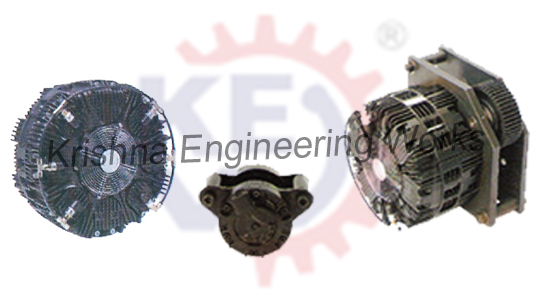
Exploring Powder Brakes
Powder brakes, or magnetic particle brakes, operate on a different principle. They use a magnetic field to suspend particles in a powder, creating resistance when an electric current is applied. This unique mechanism allows for exceptional torque control, making powder brakes ideal for applications that require smooth and precise operation.
Key Features of Powder Brakes:
- Precision Control: Powder brakes excel in providing consistent torque control, even at low speeds. This is vital for applications where material handling is sensitive and requires fine adjustments.
- Quiet Operation: The design of powder brakes minimizes noise, making them suitable for environments where sound levels need to be kept to a minimum.
- Compact Design: These brakes are generally smaller and more lightweight than pneumatic systems, allowing for easier integration into various machinery.
- Energy Efficiency: As powder brakes do not rely on compressed air, they consume less energy, leading to potential cost savings in operational expenses.
Applications of Powder Brakes
Powder brakes find their use in several areas, including:
- Inspection Rewinding Machines: The precision offered by powder brakes is ideal for inspection processes where tension control is crucial.
- Flexible Packaging Equipment: In this application, powder brakes ensure that materials are handled delicately while maintaining the necessary tension.
- Textile and Nonwoven Processing Machines: The smooth operation of powder brakes is particularly beneficial in textile applications, where the risk of damaging materials is high.
- Slitting Machines: Powder brakes help maintain consistent tension during the slitting process, ensuring high-quality output.
Conclusion
Both pneumatic and powder brakes serve essential roles in modern industrial machinery, each offering unique advantages that cater to specific operational needs. By understanding the functionalities and applications of these braking systems, manufacturers can make informed decisions that enhance efficiency and productivity.
At Krishna Engineering Works, we specialize in manufacturing and supplying top-of-the-line machinery and equipment, including pneumatic and powder brakes. Our commitment to quality and innovation ensures that our clients receive the best solutions for their industrial needs.
Comments
Post a Comment